
Tax Relief and Resolution: 5 Ways to Deal with Tax Debt
October 16, 2023
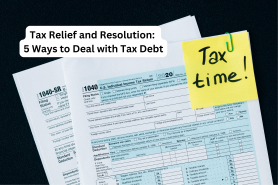
If you find yourself in a tax predicament, whether it’s falling behind on your taxes or grappling to pay off a tax liability, you might be wondering what solutions are available to you. Here are five resolutions that may be available for individuals who are seeking assistance with federal and state tax obligations, past due…
Empowering Lives: Financial Help For Disabled Persons
October 16, 2023

Financial help is a vital resource that plays a crucial role in improving the quality of life for those with disabilities. In this brief exploration, we’ll discuss the various ways in which financial assistance programs, organizations, and initiatives are making a positive impact on the lives of disabled individuals, helping them overcome obstacles and achieve…
Veteran Debt Relief | Effective Military Debt Solutions
October 13, 2023

Veterans and active-duty military members often face unique financial challenges. Transitioning from active service to civilian life, managing unexpected expenses, or navigating reduced income can lead to increasing debt. If you are a veteran dealing with debt, you’re not alone, and there are many veteran debt relief resources available to help. In this guide, we aim to…
Form 2848: Power of Attorney and Declaration of Representative
October 13, 2023

What Is Form 2848: Power of Attorney and Declaration of Representative? IRS Form 2848, titled “Power of Attorney and Declaration of Representative,” is a form used for tax-related purposes in the United States. It allows an individual or entity to designate a representative, typically an attorney, CPA, or another tax professional, to act on their…
Does IRS Debt Show On Your Credit Report?
October 12, 2023
Worried about how IRS debt might affect your credit score? You’re not alone. Many people stress about whether unpaid taxes or unresolved IRS issues will damage their credit reports and lower their scores. The good news? You have options – and not all tax debt automatically means credit disaster. While recent changes mean tax liens don’t always appear…