877-850-3328 APPLY NOW

Understanding FDCPA Violations And Your Rights

Under the Fair Debt Collection Practices Act, a debt collector who harasses, deceives, or threatens you has broken federal law, even if you actually owe the debt. If a collector violates the FDCPA, you may recover statutory damages of up to $1,000, plus actual damages and your attorney fees and court costs. Claims generally must be filed within one year, and documentation is what makes them win. Results vary and are not typical. Compare your debt options free, in about a minute.

Not sure if a collector crossed the line? Take the 10-second check below.

Did A Collector Violate Your Rights?One question points to your next step.
Which best describes what a collector has done?
Likely a violation
Document and dispute
Repeated calls to annoy, threats, or abusive language can violate the FDCPA. Start a written log now, save every message, and send a written dispute and validation request. Keep records for the one-year filing window.
Compare your debt relief options free, it takes minutes.or call 1-877-850-3328
Educational only, not financial or tax advice.
Deception is prohibited
Preserve the evidence
Posing as a lawyer or official, or misstating what you owe, is a clear category of violation. Save the exact communications, because false or deceptive statements are among the strongest FDCPA claims when documented.
Get a free, no-obligation look at your debt relief options.or call 1-877-850-3328
Educational only, not financial or tax advice.
Demand validation
Request validation in writing
Send a written dispute within 30 days of first contact. The collector must stop and validate the debt. If they continue without validating, that itself can be a violation. Do not pay until it is verified.
Review your debt relief options free in just a few minutes.or call 1-877-850-3328
Educational only, not financial or tax advice.
Focus on resolving it
Compare your options
If the collector followed the rules and the debt is valid, the task is resolving the balance. Compare negotiation, a settlement program, and other options against your numbers before you commit.
Take a few minutes to compare your debt relief options free.or call 1-877-850-3328
Educational only, not financial or tax advice.

What Counts As An FDCPA Violation

The Fair Debt Collection Practices Act (FDCPA) is a federal law that sets rules for third-party debt collectors. When a collector breaks those rules, it is a violation you can act on, even if the underlying debt is valid. The point of the law is simple: a debt does not give anyone a license to harass, deceive, or threaten you.

Common violationWhat it looks like
Calling at prohibited hoursBefore 8 a.m. or after 9 p.m. without your permission
HarassmentRepeated calls to annoy, profane language, or threats of violence
False or deceptive claimsPosing as a lawyer or official, or misstating the amount owed
Empty threatsThreatening arrest or a lawsuit they cannot or will not pursue
Ignoring a disputeContinuing to collect after you dispute without validating the debt
Third-party contactDiscussing your debt with your employer, family, or neighbors

A single documented violation can be enough. You do not have to prove the collector's conduct cost you money to have a claim.

understanding fdcpa violations and your rights: key points - What Counts As An FDCPA Violation; What You Can Recover: Damages And Fees (understanding fdcpa violations and your rights, debt relief help).
Understanding FDCPA Violations And Your Rights: a quick visual summary of understanding fdcpa violations and your rights and your options. Understanding fdcpa violations and your rights.

What You Can Recover: Damages And Fees

The FDCPA gives consumers real financial remedies, which is why collectors take these claims seriously. There are three pieces you may be able to recover.

The three categories of recoveryStatutory damages of up to $1,000 per lawsuit, available even without proof of financial harm. Actual damages for real losses, which can include emotional distress and lost wages. And your attorney fees and court costs, which the collector pays if you prevail.

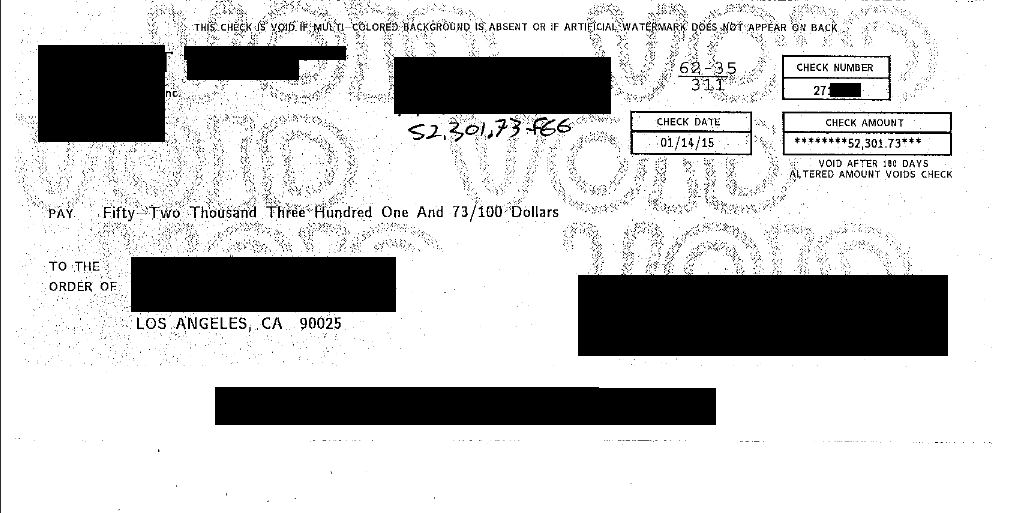
Because the law shifts attorney fees to a losing collector, many consumer attorneys take strong FDCPA cases without charging you out of pocket. Real cases have produced meaningful judgments and settlements, including verdicts well above the statutory floor when actual damages and fees are added. Results depend entirely on the facts, and outcomes are not typical.

How To Act On A Violation

Documentation is everything. Keep a log of every call with the date, time, and what was said, and save all letters, voicemails, emails, and texts. Then use the tools the law gives you: send a written dispute and request debt validation within 30 days of first contact, and if the harassment continues, a written cease-contact request. File a complaint with the Consumer Financial Protection Bureau (CFPB) and the Federal Trade Commission (FTC).

Mind the one-year clockAn FDCPA lawsuit generally must be filed within one year of the violation. If you believe your rights were violated, do not sit on it, because the deadline is short and evidence fades.

Where Debt Relief And Law Firms Fit In

Two things are often true at once: the collector broke the law, and the underlying debt still needs a resolution. Enforcing your FDCPA rights is a job for a licensed consumer attorney. Resolving the balance itself may call for a different path, such as debt negotiation, a debt settlement program, or reviewing all of your debt relief options together. Results vary and are not typical. The right move depends on your numbers and the specifics of the conduct.

Please noteThis page is general information, not legal advice, and CuraDebt is not a law firm and does not provide legal representation. FDCPA outcomes depend on the facts of each case and are not typical. Consult a licensed attorney about your specific situation.
I have seen consumers assume that owing a debt means they have to accept whatever a collector dishes out, and that is simply wrong. The FDCPA protects you regardless of whether the debt is valid. The single most important thing you can do is keep records, because a dated log and saved voicemails turn a he-said-she-said into a documented claim. I am not an attorney and CuraDebt is not a law firm, so for a violation I point people to a licensed consumer lawyer, who often works without charging you upfront because the law shifts fees to the collector. The debt itself is a separate problem, and it still needs a real plan.
Eric Pemper, Founder of CuraDebt since 2001

Frequently Asked Questions

What is the FDCPA?

The Fair Debt Collection Practices Act is a federal law, enforced by the FTC and CFPB, that regulates how third-party debt collectors can contact and treat consumers. It prohibits harassment, deception, and unfair practices, and it gives you the right to dispute a debt and to sue a collector who breaks the rules.

What are common FDCPA violations?

Frequent examples include calling before 8 a.m. or after 9 p.m., repeated calls meant to annoy, threats of arrest or violence, posing as an attorney or government official, misstating the amount owed, contacting third parties about your debt, and continuing to collect after you dispute without validating the debt.

How much can I get for an FDCPA violation?

You may recover statutory damages of up to $1,000 per lawsuit, actual damages for real losses such as emotional distress or lost wages, and your attorney fees and court costs. Statutory damages are available even if you cannot show the violation cost you money. Actual amounts depend on the facts and are not typical.

Do I need to prove financial harm to sue?

No. For statutory damages of up to $1,000, you only need to prove the collector violated the FDCPA, not that the violation caused you a financial loss. To recover additional actual damages, you would need to show the specific harm you suffered.

How long do I have to sue a debt collector?

Generally one year from the date of the violation. That window is short, so if you believe a collector broke the law, preserve your documentation and speak with a consumer attorney promptly rather than waiting.

Do I need a lawyer to sue under the FDCPA?

You are not required to have one, but it usually helps. Because the FDCPA shifts attorney fees and costs to a losing collector, many consumer attorneys take strong cases without charging you upfront. An attorney can assess whether your evidence supports a claim.

How do I prove an FDCPA violation?

Documentation. Keep a detailed log of every contact with the date, time, and what was said, and save all voicemails, letters, emails, and texts. The clearer and more complete your records, the stronger your position if you file a complaint or a lawsuit.

What is a debt validation letter?

It is a written request that forces a collector to verify the debt, including the amount and the original creditor. If you send it within 30 days of first contact and the collector cannot validate, they must stop collecting. It is one of the most useful tools available to you.

Can I stop a collector from calling me?

Yes. You can send a written cease-contact request, after which the collector may only reach you to confirm they are stopping or to notify you of a specific legal action. Consider requesting validation first, so you preserve your right to make them prove the debt.

Does an FDCPA violation erase my debt?

No. Winning an FDCPA claim compensates you for the collector's illegal conduct, but it does not cancel a valid underlying debt. That is why the debt itself may still need to be resolved through negotiation, a settlement program, or another route.

How Do I Compare My Options Without Paying Anything?

Use the quick form to compare available options for your approximate balance. It takes about a minute, costs nothing to check, and there is no obligation to continue.

Related Resources

Check Your Debt Relief Options

No cost to check options. No obligation.

Prefer to talk now? Call 1-877-850-3328

Add Your Heading Text Here