

Is A Debt Collector Harassing You? What Counts As Harassment And How To Stop It
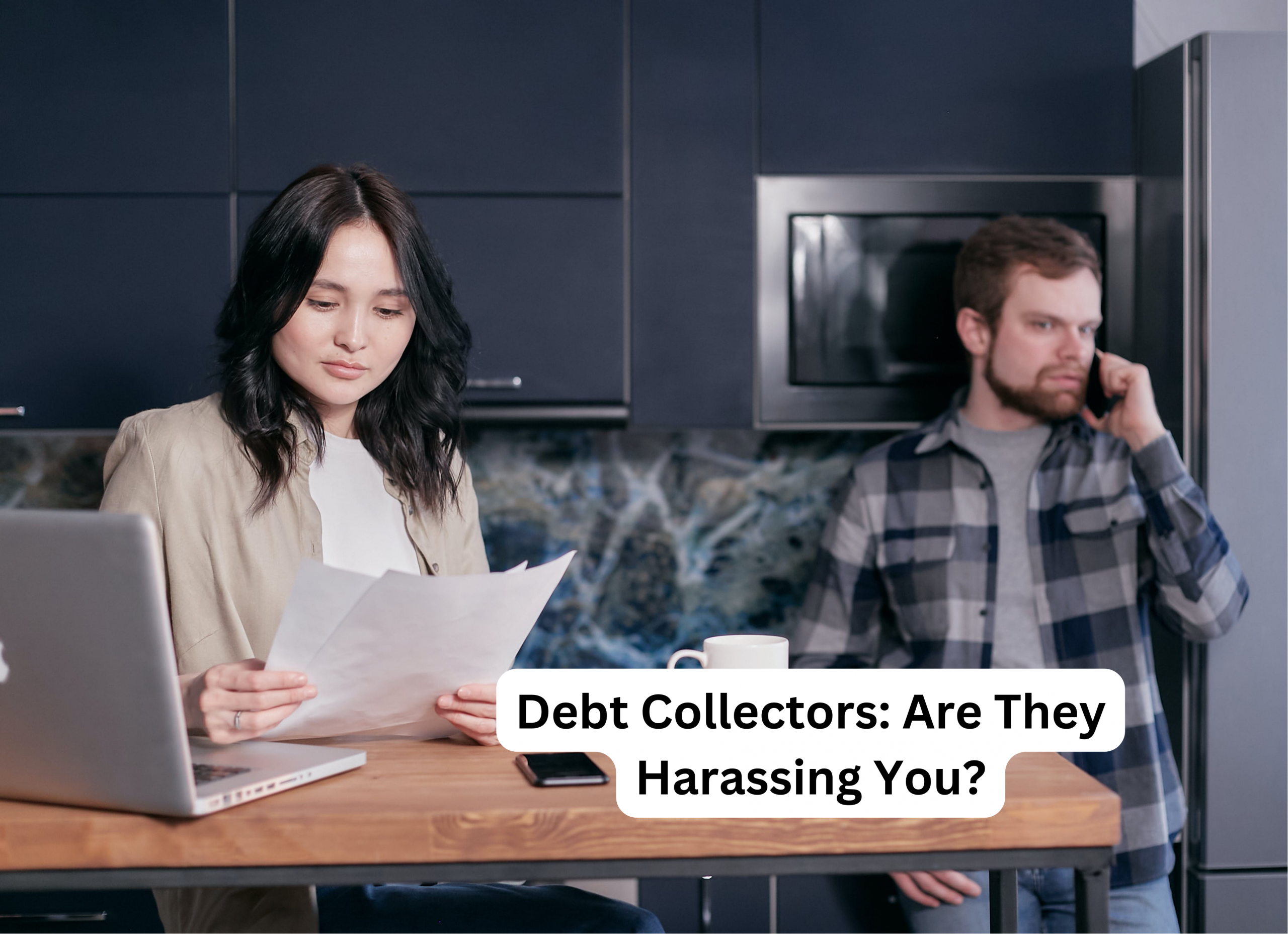
If you have fallen behind on your bills you may have debt collectors constantly calling you. This can put you at risk of debt collection harassment.
What is debt collection harassment?
Debt collection harassment means abusive collection conduct. The federal Fair Debt Collection Practices Act generally covers third-party collectors and debt buyers collecting consumer debts; state laws may provide additional protections. Examples include repeated calls intended to harass, threats of violence, false threats of arrest and improper disclosure of a debt.
- Excessive or Annoying Phone Calls: Debt collectors may repeatedly call debtors at inconvenient times (e.g., early morning or late at night) or engage in a pattern of incessant and aggressive calls.
- Threats and Intimidation: Some collectors resort to threats of legal action, wage garnishment, or even imprisonment, even though such actions may not be legally justified.
- False or Misleading Information: Collectors may provide false or misleading information about the debt, such as inflating the amount owed, misrepresenting their authority to collect the debt, or implying that non-payment will have severe consequences that they cannot legally enforce.
- Public Shaming: In some cases, collectors have been known to publicly shame debtors by disclosing their debts to family, friends, or employers, which is both unethical and illegal.
- Harassment via Social Media or Email: Debt collectors may also use social media or email to harass debtors, often by contacting them through multiple platforms, creating fake accounts, or using offensive language.
- Contacting Third Parties: Collectors generally cannot disclose your debt to family, friends or an employer. Limited communications, such as seeking location information and certain legally authorized contacts, have exceptions.
- Validation Information: A covered collector generally must provide required debt information at the initial communication or within five days. A timely written dispute during the validation period requires the collector to stop collecting the disputed debt until verification is provided.
How to Stop Debt Collection Calls
If you want to stop debt collection calls, you can take several steps to protect your rights and put an end to the harassment. Here's a step-by-step guide:
- Review Your Rights: First, familiarize yourself with your rights under debt collection laws, such as the Fair Debt Collection Practices Act (FDCPA) in the United States. Understanding your rights will help you assert them effectively.
- Request Written Communication: In your initial contact with the debt collector, request that they communicate with you in writing only. Send this request via certified mail with a return receipt so you have proof of your request.
- Keep Records: Document all communication with the debt collector. Note the date, time, and details of each call or letter. This documentation will be valuable if you need to dispute any actions later.
- Request Debt Validation: Review the validation notice. Required information generally must be provided at the first communication or within five days—not verification of a later dispute within five days. Send a written dispute within the notice’s 30-day validation period if you contest the debt.
- Dispute the Debt: A timely written dispute during the validation period requires a covered collector to stop collecting the disputed debt until it sends verification. Keep proof of delivery. A dispute does not replace a response to a court summons.
- Stop-Contact Letter: You can tell a covered collector in writing to stop contacting you. It may still confirm that contact will stop or explain specific legally permitted actions. The request does not cancel the debt or prevent a lawful lawsuit.
- Record Harassment: If the debt collector continues to harass you, record their calls (if legal in your jurisdiction) and gather evidence of harassment or abusive behavior. This can be useful if you decide to take legal action against them.
- Contact Consumer Protection Agencies: Report any debt collection harassment to your state's attorney general's office and the Consumer Financial Protection Bureau (CFPB) in the United States. Provide them with details of the harassment.
- Consult an Attorney: If you believe your rights are being violated or if you're facing a particularly challenging debt collection situation, consider consulting with an attorney who specializes in consumer protection or debt collection issues. They can provide legal guidance and help protect your rights.
- Consider Debt Options: If valid debts are unaffordable, compare repayment, nonprofit credit counseling, settlement and bankruptcy. Settlement is not a remedy for harassment itself; it can damage credit, involve fees and leave you exposed to collection or lawsuits.
Explore the pros and cons of debt settlement.
Resolve your debt issue with CuraDebt
CuraDebt has been helping people with debt since 2001. A free evaluation can help you review options for eligible debts and, where appropriate, connect you with an independent provider. For harassment or a court deadline, seek legal help. Call 1-877-850-3328.
Sources: CFPB validation rules and stopping collector contact.