
How To Negotiate A Student Loan Settlement: Private vs. Federal Loans In 2026
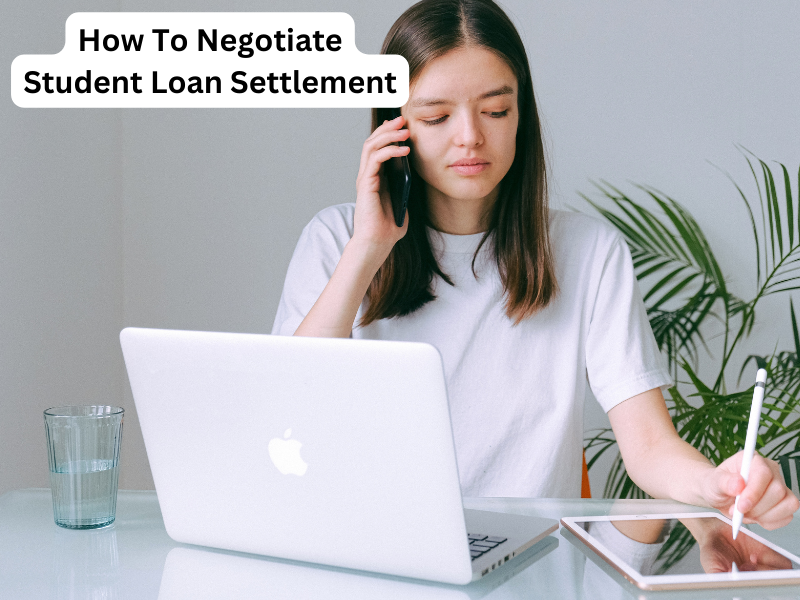
Although it was the plan to forgive student debt, many people still have a balance due. With the cost of living on the rise, many may find it hard to find the extra income to pay back their student loan. The expenses of daily living, such as mortgage or rent payments, utility bills, and auto loans may take priority before student loans.
Failing to make payments on student loans can damage credit and lead to collection. Ask your loan holder about hardship and repayment options before considering settlement. Private-loan terms differ from federal student-loan options; a CuraDebt evaluation does not establish that your student loan is eligible.
Some reasons that you might want to consider a student loan settlement are, but not limited to:
- Your loans are in default or are at risk of being in default.
- You have a lump-sum payment to settle your outstanding debt.
- Your loans have been sent to collections.
- Your credit is already damaged.
- The alternative is a court judgment.
If you are behind on private student-loan payments and have funds available, ask the loan holder whether a written settlement is possible. The creditor is not required to accept less than you owe. Do not stop making payments simply to seek a discount.
What is a student loan settlement?
Student loan settlement means a loan holder agrees in writing to accept less than the balance owed. Availability depends on the type of loan, creditor and circumstances. Federal loans have separate repayment, discharge and collection rules; contact your servicer about those options.
You may qualify forstudent loan debt settlement if:
- You can’t afford the loan.
- You haven’t paid your loans in almost a year.
- You’ve defaulted on the loan.
Default rules vary by loan contract. Ask your loan holder about hardship options and any settlement requirements; do not assume a fixed number of missed payments creates eligibility.
How to settle your student loans
Before pursuing a settlement, discuss repayment or hardship options with the loan holder. If a lawsuit or collection deadline is involved, seek qualified legal advice promptly.
Consider these steps:
1. Gather needed documentation
Gather documentation that accurately describes your current financial hardship.
This documentation might include:
- Paystubs
- Tax returns
- Proof of recurring expenses
- Medical bills
- Childcare expenses
- Rent or mortgage payments
Any bill that currently accounts for large portions of your discretionary income can serve as evidence to prove your current situation is unarguable.
2. Know your options
Your private student loan settlement options depend on your lender and circumstances. Deliberately missing payments can add fees, damage credit and expose you to collection or a lawsuit; it does not guarantee a better settlement.
How much money settling your student loans can save you depends on several factors, such as:
- How much you owe
- Outstanding collection charges and late fees
- How far behind you are on payments
A creditor may agree to waive some fees, interest or principal, but no reduction is guaranteed. Compare the proposed amount, any service fees and tax consequences before agreeing.
3. Request written settlement confirmation
Get the complete settlement terms in writing before paying. After completing the agreement, request written confirmation that the agreed obligation is satisfied. An account settled for less than its balance may be reported as settled, not paid in full.
Explore Options For Eligible Debt
For other eligible unsecured debts, CuraDebt offers a free evaluation of possible debt-relief options. Eligibility and provider availability vary; an evaluation does not stop collection or replace legal advice. Call for your free consultation. 1-877-850-3328